1. Produkti i Mbaruarview
The Midiplus Studio M is a compact and high-performance USB audio interface designed for studio recording. It features one input and two outputs, supporting high-quality microphone input and 24-bit/192kHz high-precision sampling. The device is powered via PC USB and includes 48V phantom power for condenser microphones. Its small, exquisite design is compatible with both Mac and Windows operating systems, making it a versatile tool for musicians and producers.
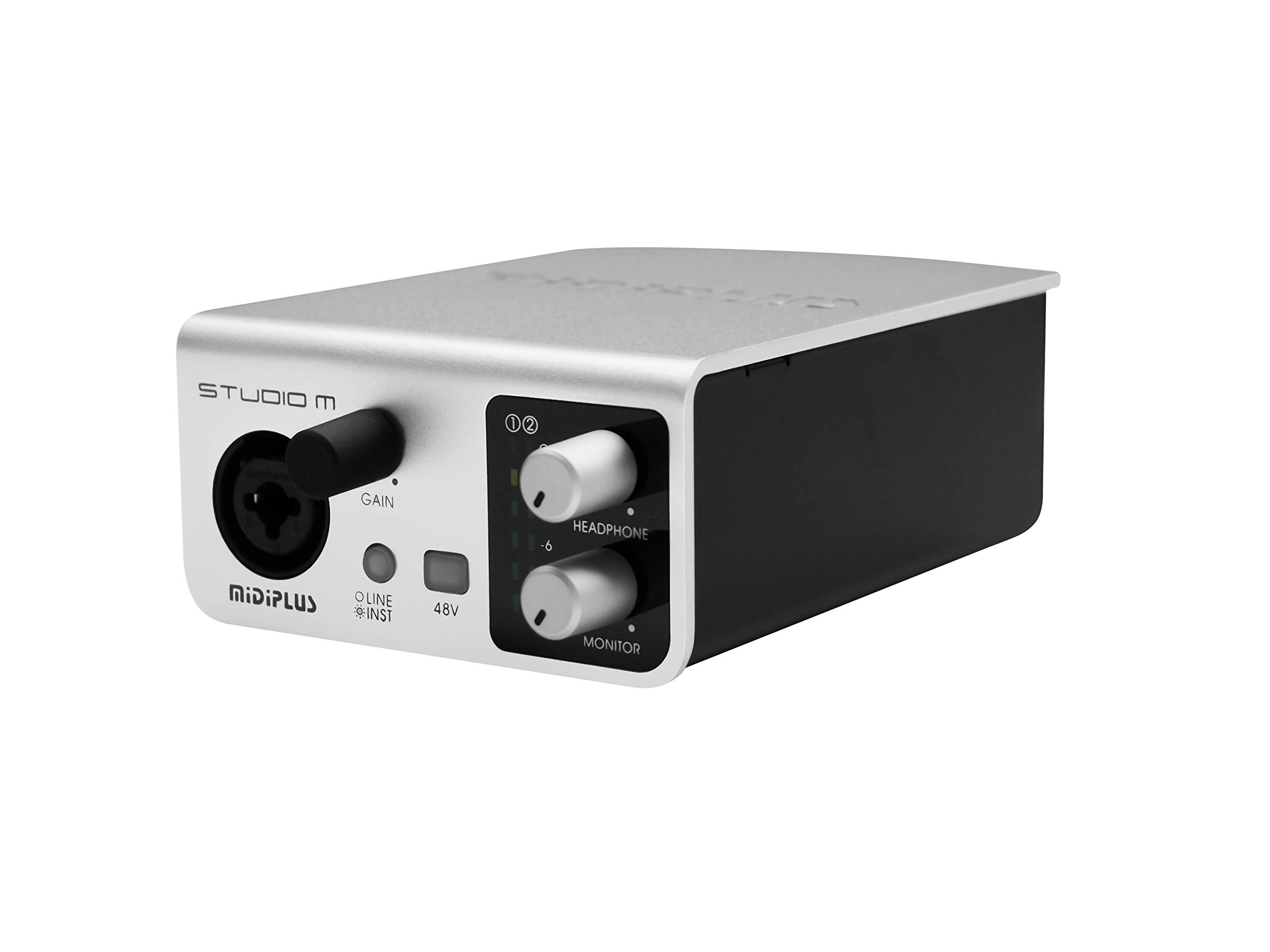
Figura 1: Pjesa e përparme dhe e pasme view of the Midiplus Studio M USB Audio Interface.
2. Udhëzuesi i konfigurimit
2.1 Përmbajtja e paketës
- Midiplus Studio M USB Audio Interface
- Kabllo USB
- Manuali i Pronarit (ky dokument)
- Karta e informacionit
2.2 Kërkesat e Sistemit
- Sistemi operativ: Windows, macOS
- Compatible Devices: Personal Computer with USB port
2.3 Lidhja e pajisjes
- Connect the Midiplus Studio M to your computer using the provided USB cable. The device is USB-powered.
- Ensure your operating system (Windows or macOS) recognizes the device. Drivers may be required for optimal performance; refer to the Midiplus website for the latest driver downloads.
- Connect your microphone or instrument to the Input (MIC/Line/Hi-z) interface on the front panel.
- Connect your headphones to the headphone interface on the front panel, or your studio monitors to the Output interface (Left/Right) on the rear panel.

Figure 2: Midiplus Studio M connected to a computer, showing input and output cables.
3. Udhëzimet e funksionimit
3.1 Kontrollet e panelit të përparmë
- Input Gain Control Knob: Adjusts the input level for the connected microphone or instrument.
- Switch (Mic/Instrument) Button: Toggles between microphone and instrument input modes.
- 48V Phantom Power ON/OFF: Activates or deactivates 48V phantom power for condenser microphones.
- Headphone Volume Control Button: Adjusts the output volume for connected headphones.
- Output Volume Control Button: Adjusts the main output volume for connected studio monitors.

Figure 3: Midiplus Studio M in a studio setup, demonstrating its compact size and integration.
3.2 Lidhjet e panelit të pasmë
- Ndërfaqja USB: USB2.0 port for connection to your computer and power supply.
- Output Interface (Left/Right): Connects to your studio monitors or other output devices.
- Extensible Device Interface: Provides additional connectivity options for other devices.
4. Mirëmbajtja
- Mbajeni pajisjen të pastër duke e fshirë me një leckë të butë dhe të thatë. Shmangni përdorimin e kimikateve të ashpra ose materialeve gërryese.
- Sigurohuni që të gjitha kabllot të jenë të lidhura mirë për të parandaluar humbjen ose dëmtimin e sinjalit.
- Store the interface in a cool, dry place away from direct sunlight and extreme temperatures.
- Shmangni vendosjen e objekteve të rënda në krye të njësisë.
5. Troubleshooting
5.1 Nuk ka dalje zëri
- Check all cable connections (USB, input, output, headphones).
- Ensure the device is powered on and recognized by your computer.
- Verify that the output volume controls (headphone and main output) are turned up.
- Check your computer's sound settings to ensure the Midiplus Studio M is selected as the output device.
5.2 Input Signal Issues
- Adjust the Input Gain Control Knob.
- Ensure the correct input mode (Mic/Instrument) is selected.
- If using a condenser microphone, verify that 48V Phantom Power is enabled.
- Check the microphone/instrument cable for damage.
5.3 Device Not Recognized by Computer
- Provoni të lidhni kabllon USB me një portë tjetër USB në kompjuterin tuaj.
- Rinisni kompjuterin tuaj.
- Ensure the latest drivers for the Midiplus Studio M are installed from the official Midiplus webfaqe.
- Testojeni me një kabllo tjetër USB nëse është e mundur.
6. Specifikimet teknike
| Veçori | Detaj |
|---|---|
| Numri i modelit | Studio M |
| Markë | Midiplus |
| Teknologjia e lidhjes | USB (USB2.0) |
| Rezolucioni audio | 24-bit / 192kHz |
| Inputet | 1 (MIC/Line/Hi-z) |
| Rezultatet | 2 (Left/Right) |
| Fantom Fuqia | 48V (i ndërrueshëm) |
| Sistemet Operative të Përputhshme | Windows, macOS |
| Dimensionet e produktit | 5.28 x 3.54 x 1.89 inç |
| Pesha e artikullit | 14.1 ons (0.4 kilogramë) |
7. Garancia dhe Mbështetja
For warranty information and technical support, please refer to the official Midiplus website or contact your local dealer. Keep your purchase receipt as proof of purchase for any warranty claims.


